
Hyper cars
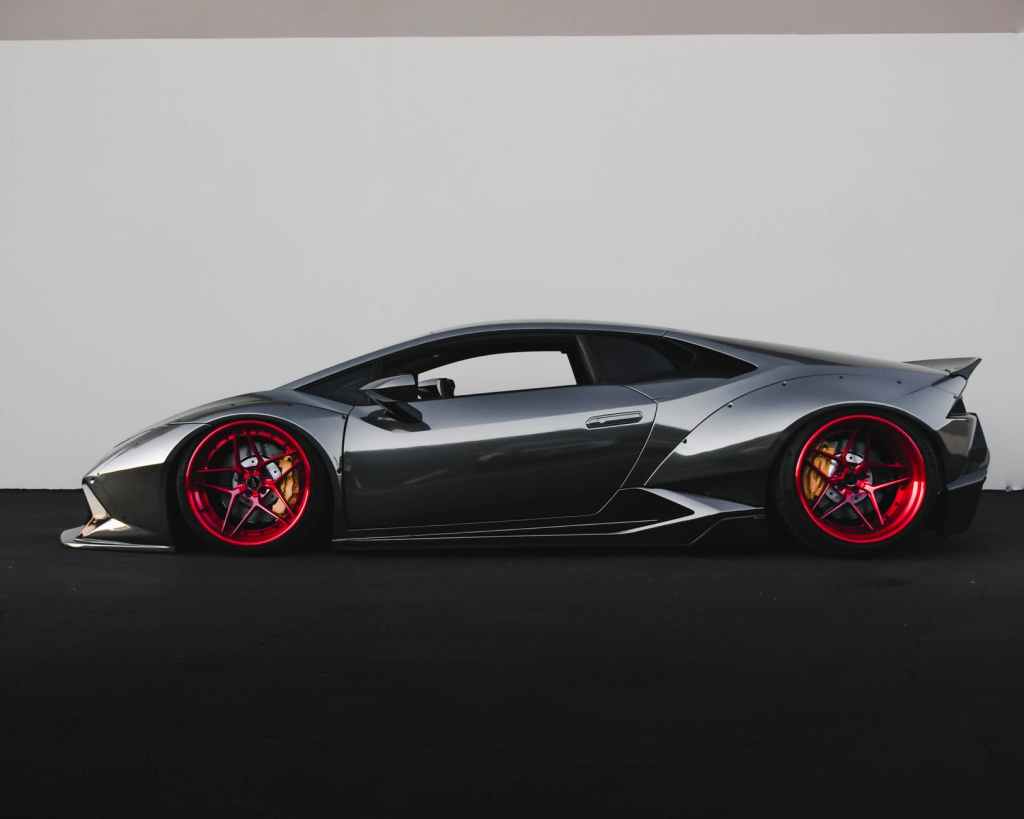
A more recent term for high-performance sportscars is “hypercar”, which is sometimes used to describe the highest performing supercars.[16] As per supercars, there is no set definition for what constitutes a hypercar. An attempt to define these is “a limited-production, top-of-the-line supercar with a price of around or more than US$1 million.”[17]
Some people consider the 1993 McLaren F1 to be the first hypercar,[18] while others believe the 2005 Bugatti Veyron was the first hypercar.[19]
ByMany recent hypercars use a hybrid drivetrain, a trend started in 2013 by the McLaren P1, Porsche 918 Spyder, and LaFerrari. [20][21][22
History about super cars
The Lamborghini Miura, produced from 1966–1973, is often said to be the first supercar.[1][2][3][4] By the 1970s and 1980s the term was in regular use, if not precisely defined.[5][6] One interpretation up until the 1990s was to use it for mid-engine two-seat cars with at least eight cylinders (but typically a V12 engine), a power output of at least 400 bhp (298 kW) and a top speed of at least 180 mph (290 km/h).[7] Other interpretations state that “it must be very fast, with sporting handling to match”, “it should be sleek and eye-catching” and its price should be “one in a rarefied atmosphere of its own”[8] or regard exclusivity (i.e. limited production volumes) as an important characteristic.[4]
It is also claimed that the definition of a supercar has always been subjective and a matter of blind prejudice.[7]

During the 1960s, cars that are now considered to be muscle cars were then referred to as supercars.[9][10](p8) The term was often (though not always) spelled with a capital S.[11] In 1966 the sixties supercar became an official industry trend.[9](p8) For example, the May 1965 issue of the American magazine Car Life includes multiple references to supercars and “the supercar club”[12] and a 1968 issue of Car & Driver magazine refers to “the Supercar street racer gang” market segment.[13] In the model name of the AMC S/C Rambler, the “S/C” is an abbreviation for “SuperCar”.[14]
Since the decline of the muscle car in the 1970s, the word supercar came to mean a car in the mold of a Lamborghini or Ferrari.[9](p5) Other interpretations of the term are for limited-production models produced by small manufacturers for enthusiasts, and standard-looking cars modified for increased performance.[15]
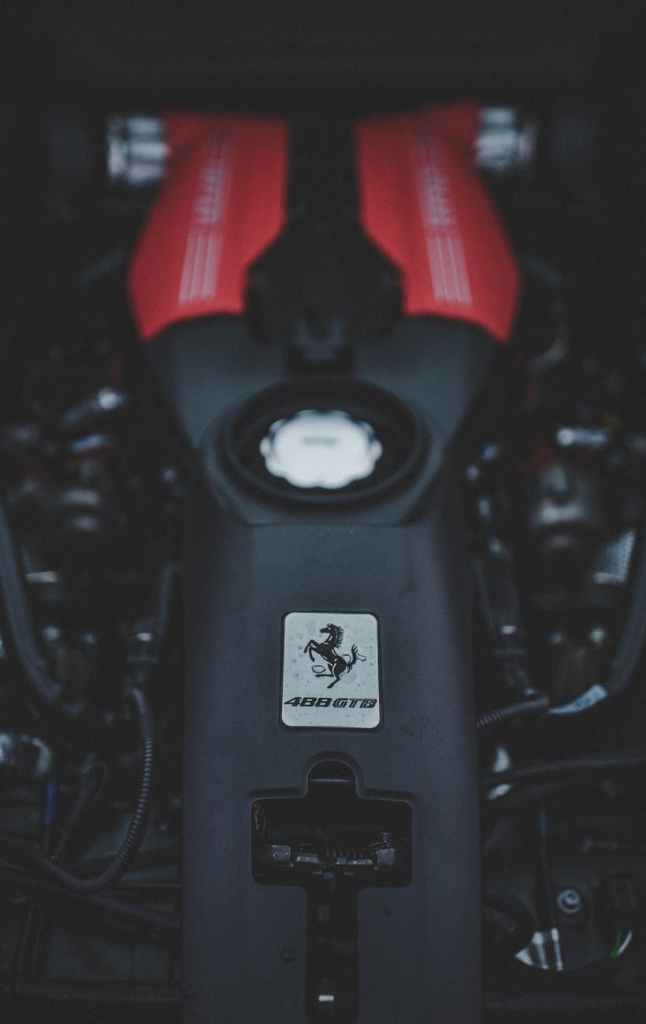
Production cars
For the purposes of this list, a production car is defined as a vehicle that is:
- constructed principally for retail sale to consumers, for their personal use, to transport people on public roads (no commercial or industrial vehicles are eligible)
- available for commercial sale to the public in the same specification as the vehicle used to achieve the record
- manufactured in the record-claiming specification by a manufacturer whose WMI number is shown on the VIN, including vehicles that are modified by either professional tuners or others that result in a VIN with a WMI number in their name (for example, if a Porsche-based car is remanufactured by RUF and has RUF’s WMI W09, it is eligible; but if it has Porsche’s WMI, WP0, it is not eligible)
- pre-1981 vehicles must be made by the original vehicle manufacturer and not modified by either professional tuners or individuals
- street-legal in its intended markets, having fulfilled the homologation tests or inspections required under either a) United States of America, b) European Union law, or (c) Japan) to be granted this status
- sold in more than one national market.


Production car speed record
This is a list of the world’s record-breaking top speeds achieved by street-legal production cars (as opposed to concept cars or modified cars). For the purposes of this list eligible cars are defined in the list’s rules. This list uses a different definition to the List of automotive superlatives. The variation is because the term production car is otherwise undefined.


 Site Title